Friday, June 10, 2022

Divine Command to Grow the Beard

 بِسۡمِ اللّٰہِ الرَّحۡمٰنِ الرَّحِیۡمِ

وَسَلٰمٌ عَلَی الۡمُرۡسَلِیۡنَ

وَالۡحَمۡدُ لِلّٰہِ رَبِّ الۡعٰلَمِیۡنَ

The fitnah of Ghamidi is spreading like a virus in the body of the Muslims. Among his perversions is the idea that growing a beard for a man is not a religious commandment but a discretionary matter. To refute such nonsense I shall quote a Hadith of the most holy Prophet Muhammad صلى الله عليه وسلم which explicitly states that for a man to trim his mustache and grow a beard is a divine command of the Lord Himself:

أَخْبَرَنَا سَعِيدُ بْنُ مَنْصُورٍ أَخْبَرَنَا سُفْيَانُ عَنْ عَبْدِ الْمَجِيدِ بن سهل عن عبيد الله ابن عَبْدِ اللَّهِ قَالَ جَاءَ مَجُوسِيٌّ إِلَى رَسُولِ اللَّهِ صَلَّى اللَّهُ عَلَيْهِ وَسَلَّمَ قَدْ أَعْفَى شَارِبَهُ وَأَحْفَى لِحْيَتَهُ فَقَالَ مَنْ أَمَرَكَ بِهَذَا قَالَ رَبِّي قَالَ ‌لَكِنَّ ‌رَبِّي ‌أَمَرَنِي ‌أَنْ ‌أُحْفِيَ ‌شَارِبِي وَأُعْفِيَ لِحْيَتِي

Ubaid Allah bin Abd Allah narrates: A Magian came to the Messenger of Allah [sall Allahu alaihi wasallam], his moustache left untrimmed and his beard shaven, so the Messenger of Allah asked, “Who ordered you with this?” He said, “My lord [Chosroes, the Persian emperor]”, the Messenger of Allah said, “But my Lord [Allah] ordered me to trim closely my moustache and leave my beard” (Tabaqat al-Kubra, v.1, p.347):


ودخلا على رسول الله ص وَقَدْ حَلَقَا لِحَاهُمَا وَأَعْفَيَا شَوَارِبَهُمَا فَكَرِهَ النَّظَرَ إليهما ثم أَقْبَلَ عَلَيْهِمَا فَقَالَ وَيْلَكُمَا مَنْ أَمَرَكُمَا بِهَذَا قَالا أَمَرَنَا بِهَذَا رَبُّنَا يَعْنِيَانِ كِسْرَى فَقَالَ رسول الله لَكِنَّ رَبِّي قَدْ أَمَرَنِي بِإِعْفَاءِ لِحْيَتِي وَقَصِّ شَارِبِي

Yazid bin Abi Habib narrates that two Magians entered upon the Messenger of Allah, their beards were shaved while their moustaches were left [untrimmed]. So the Messenger of Allah disliked looking at them, then he turned to them and said “Woe unto you! Who ordered you to do this?” They said, “Our lord ordered with this” meaning Chosroes. So the Messenger of Allah said, “Rather my Lord has ordered me to leave my beard and shorten my moustache” (Sahih Tarikh at-Tabari, v.2, p.235):


Both of these routes for the transmission of the Hadith are mursal. However, the muhaddith al-Albani declared this narration hasan (Fiqh us-Sirah of Muhammad al-Ghazali, p.389) due to the corroborating Hadith narrated by sayyidina Abi Hurairah رضى الله عنه

أَخْبَرَنَا أَبُو عَبْدِ اللَّهِ مُحَمَّدُ بْنُ يَزِيدَ بْنِ عَلِيِّ بْنِ مَرْوَانَ الْأَنْصَارِيُّ الْأَبْزَارِيُّ بِالْكُوفَةِ قَالَ ثنا مُحَمَّدُ بْنُ عَبْدِ اللَّهِ الْأَنْصَارِيُّ الْأُبَيْسِيُّ ثنا أَحْمَدُ بْنُ مُحَمَّدٍ الْأَنْصَارِيُّ ثنا مُحَمَّدُ بْنُ يَحْيَى ثنا عِصْمَةُ بْنُ مُحَمَّدٍ عَنْ يَحْيَى بْنِ سَعِيدٍ عَنْ سَعِيدِ بْنِ الْمُسَيِّبِ عَنْ أَبِي هُرَيْرَةَ قَالَ دَخَلَ عَلَى رَسُولِ اللَّهِ صَلَّى اللَّهُ عَلَيْهِ وَسَلَّمَ مَجُوسِيُّ قَدْ حَلَقَ لِحْيَتَهُ وَأَعْفَى شَارِبَهُ فَقَالَ رَسُولُ اللَّهِ صَلَّى اللَّهُ عَلَيْهِ وَسَلَّمَ وَيْحَكَ مَنْ أَمَرَكَ بِهَذَا قَالَ ‌أَمَرَنِي بِهِ كِسْرَى فَقَالَ رَسُولُ اللَّهِ صَلَّى اللَّهُ عَلَيْهِ وَسَلَّمَ لَكِنِّي ‌أَمَرَنِي رَبِّي عَزَّ وَجَلَّ أَنْ أُعْفِيَ لِحْيَتِي وَأَنْ أُحْفِيَ شَارِبِي

A Magian entered upon the Messenger of Allah [sall Allahu alaihi wasallam] with his beard shaved and his moustache left untrimmed. So the Messenger of Allah [sall Allahu alaihi wasallam] said: “Woe unto you! Who ordered you with this?” He said, “Chosroes ordered me with this” so the Messenger of Allah said, “But my Lord [Allah], Mighty and Majestic, ordered me to leave my beard and trim closely my moustache” (al-Amali li-Ibni Bushran, p.73):


Monday, June 6, 2022

Noah Eldest of the Prophets is Proof Jesus is Deceased

 بسم الله الرحمن الرحيم

اللهم صلى على محمد وعلى آل محمد

Allahعز وجل says regarding his great messenger Noah:

وَلَقَدۡ اَرۡسَلۡنَا نُوۡحًا اِلٰی قَوۡمِہٖ فَلَبِثَ فِیۡہِمۡ اَلۡفَ سَنَۃٍ اِلَّا خَمۡسِیۡنَ عَامًا

And We certainly sent Noah to his people, and he dwelt among them a thousand years save fifty years

(Surah 29:14)

The Bible confirms that Noah lived for a total of 950 years (Genesis 9:29).

Sayyidina Anas bin Malik رضى الله عنه narrates that the holy Prophet Muhammad صلى الله عليه وآله وسلم said:

يُؤْتَى آدَمُ يَوْمَ الْقِيَامَةَ فَيُقَالُ لَهُ اشْفَعْ فَيَقُولُ لَسْتُ بِصَاحِبِ ذَلِكَ عَلَيْكُمْ بِنُوحٍ ‌فَإِنَّهُ ‌أَوَّلُ ‌الأَنْبِيَاءِ ‌وَأَكْبَرُهُمْ

Adam shall be brought forth on the Day of Resurrection and it will be said to him, “Intercede” but he will say, “I am not worthy of that, but upon you is Noah, for indeed he is the first of the Prophets and the eldest of them” (Musnad al-Bazar, v.12, pp.341-342, #6223; at-Tawhid li-Ibni Khuzaymah, p.719, #459):


This Hadith confirms the fact that Noah is the eldest of the Prophets of God, having lived at least 950 years. This incidentally negates the popular but erroneous belief among Muslims that Jesus is alive in Heaven with his earthly body though some 2000 years have transpired since he came into this world. And if it is argued that after having physically ascended into Heaven the aging process for Jesus has been suspended then that would imply he did not ascend in his earthly body, which is a body that not only requires food for sustenance (Surah 21:8) but experiences the natural process of aging too (Surah 36:68).

Apparently this Hadith states that Noah and not Adam was the first Prophet. However, other narrations clarify that what is intended is that Noah was the first Prophet and Messenger of God sent to the people of Earth:

فَيَقُولُونَ يَا نُوحُ ‌أَنْتَ ‌أَوَّلُ ‌الرُّسُلِ ‌إِلَى ‌أَهْلِ ‌الأَرْضِ

They will say, “O Noah, you are the first of the Apostles to the people of Earth” (Sahih al-Bukhari)

Saturday, May 28, 2022

Al-Hallaj and Crucifixion of Jesus

One of the controversial mystics in the history of Islam, Husain bin Mansur al-Hallaj (d. 309 H) who was executed by crucifixion under the authority of the Abbasids, is reported to have recited a portion of the Ayah (4:157) while being crucified:

وَكَانَ يقْرَأ فِي وَقت الصلب ‌وَمَا ‌قَتَلُوهُ وَمَا صلبوه وَلَكِن شبه لَهُم

“They did not kill him nor did they crucify him but it was made to appear to them” (Fadâ’ih al-Bâtiniyyah, p.109):


This indicates that al-Hallaj believed that the Messiah على نبينا وعليه السلام was apparently crucified as he was being apparently crucified at that time, but that in reality it could not be said that they were responsible for killing him.

Mu'tazilite Denial of Disclosing of Unseen to Saints

The Mu’tazilite exegete Abul-Qasim Mahmud bin Umar al-Zamakhshari commenting on the passage of the Quran:

عٰلِمُ الۡغَیۡبِ فَلَا یُظۡہِرُ عَلٰی غَیۡبِہٖۤ اَحَدًا

اِلَّا مَنِ ارۡتَضٰی مِنۡ رَّسُوۡلٍ

Knower of the unseen, so He does not manifest His unseen upon anyone except one He is pleased with of an Apostle

(Surah 72:26-27)

تبيين لمن ارتضى يعني أنه لا يطلع على الغيب إلا المرتضى الذي هو مصطفى للنبوة خاصة لا كل مرتضى. وفي هذا إبطال للكرامات لأنّ الذين تضاف إليهم وإن كانوا أولياء مرتضين فليسوا برسل. وقد خصّ الله الرسل من بين المرتضين بالاطلاع على الغيب وإبطال الكهانة والتنجيم لأنّ أصحابهما أبعد شيء من الارتضاء وأدخله في السخط

An explanation of the one He is pleased with, that is, He does not inform of the unseen except to the one chosen for Prophesy particularly, and not every one He is pleased with. And in this is a falsification of the karâmât [miracles of the Saints] because although Saints are ones with whom Allah is pleased they are not Apostles. Allah has particularized the Apostles from among those with whom He is pleased for disclosing of the unseen. And it is a falsification of fortune telling and astrology as its companions are the furthest from Allah’s contentment but are entered into His discontent (al-Kashshâf, p.1149):


I have previously answered the doubt raised by the Mu’tazilah and others concerning this passage in the Quran.

Some Mu'tazilah Denied Reality of Dreams

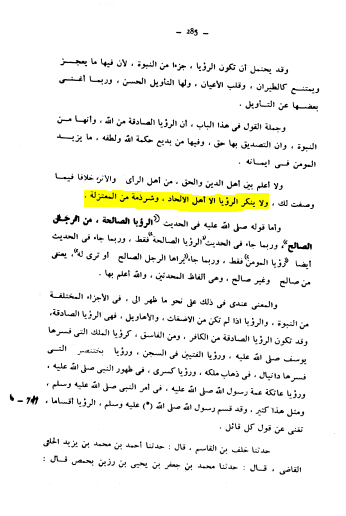
 Imam Ibn Abd al-Barr رحمة الله عليه said:

وَلَا يُنْكِرُ الرُّؤْيَا إِلَّا أَهْلُ الْإِلْحَادِ وَشِرْذِمَةٌ ‌مِنَ ‌الْمُعْتَزِلَةِ

“No one rejects (the value of) dreams except the people of ilhâd and a small group of the Mu’tazilah” (at-Tamhîd; v.1, p.285):


Thursday, May 19, 2022

Barelwi Denies Humanity of the Prophet عليه السلام

 بسم الله الرحمن الرحيم

والصلاة والسلام على خاتم النبيين

The most holy Prophet Muhammad صلى الله عليه وآله وسلم said:

لاَ تُطْرُونِي كَمَا أَطْرَتِ النَّصَارَى ابْنَ مَرْيَمَ فَإِنَّمَا أَنَا عَبْدُهُ فَقُولُوا عَبْدُ اللَّهِ وَرَسُولُهُ

Do not exaggerate about me as the Christians exaggerated about the Son of Mary. For verily I am His [Allah’s] slave, so say ‘Slave of Allah and His Apostle’

(Sahih al-Bukhari)

The Prophet صلى الله عليه وسلم delivered this critical statement and warning with the revealed foreknowledge that a section of his Ummah would trespass the boundaries of monotheism and manufacture doctrines concerning his person that are similar to what the Christians said concerning Christ Jesus. In their Christology, Jesus is both God and human, with these two apparently contradictory and mutually exclusive natures being united in a hypostasis. Islam, however, based on the teachings of the holy Quran and the holy Prophet Muhammad صلى الله عليه وسلم says that Jesus was a mortal human, not divine, and that he was simply an Apostle of God like the many Prophets and Apostles God sent before him. Now the most holy Prophet Muhammad صلى الله عليه وسلم predicted that his Ummah would follow in some of the same errors as those that preceded them, namely, the Jews and Christians. The astray and polytheistic Barelwi sect believe that the Prophet Muhammad صلى الله عليه وسلم is literally Nûr (Light), like the Angels, but also Bashar (mortal human). However, like the Christian doctrine of Jesus having two natures, human and divine, the Barelwi belief that the Prophet عليه السلام is both a being of light and mortal is contradictory, an oxymoron. In fact, according to the Barelwi scholar, Ahmad Yar Khan Na’imi, the humanity of the Prophet صلى الله عليه وسلم is illusory. He writes:

اس ايت میں کفار سے خطاب ہے چونکہ ہر چیز اپنی غیر جنس سے نفرت کرتی ہےلہذا فرمایا گیا کہ اے کفار تم مجھ سے نہ گھبراؤ میں تمہاری جنس میں سے ہوں۔ یعنی بشر ہوں۔ شکاری جنوروں کی سے آوازیں نکال کر شکار کرتا ہے اس سے کفار کو اپنی طرف مائل کرنا مقصود ہے اور دیوبندی بھی کفار میں سے ہیں تو ان سے بھی یہ خطاب ہوسکتا ہے

“In this Ayah the Kuffar [unbelievers] are addressed, because everything hates that which is another species, so it was said ‘O unbelievers, do not be fearful of me, I am of your species i.e. I am human’. A predator mimicks the sounds of animals for hunting. The purpose is to incline the unbelievers to oneself, and Deobandis are also from among the Kuffar [unbelievers], so they may also be addressed [in this Ayah].” (Jâ’ al-Haq, p.162):


In this statement not only has the Barelwi made mass-Takfîr of the Deobandis, he has clearly denied the humanity of the Prophet Muhammad صلى الله عليه وسلم and he has also indirectly disrespected the Prophet صلى الله عليه وسلم by comparing him to predators that seek to deceive their prey by mimicking their sounds for the purpose of hunting. In other words, the Barelwi mulla is implying that the Prophet صلى الله عليه وسلم only stated that he is a bashar [human] to incline the unbelievers toward him when in reality he is not human but a being of Light.

Saturday, April 30, 2022

Roots of Dissension in the Ummah (Part 1)

 بسم الله الرحمن الرحيم

والصلاة والسلام على خاتم النبيين

Among the most devious conspiracies of Satan to capture souls for Hell is using the garb of religion to deviate from the Path of Allah. In the history of this Ummah the various false teachings of antinomianism, omnism, materialism, rationalism, modernism, secularism, liberalism, nationalism, humanism and feminism are often the root of a false religious movement or tendency that seeks to impress upon the hearts and minds of the Muslims. At the very moment of the Prophet’s صلى الله عليه وسلم natural death in the year 632 CE most of the Bedouin tribes to the east became apostate. Some of them reasoned that if Muhammad صلى الله عليه وسلم was a true Prophet he should not have died the death of a mere mortal. Thus their flawed conception of what a human Prophet is led them totally astray. These Bedouin tribes had reluctantly converted to Islam during the latter part of the Prophet’s ministry, and Allah addressed them in the Quran with the following words:

وَلَمَّا یَدۡخُلِ الۡاِیۡمَانُ فِیۡ قُلُوۡبِکُمۡ

The Faith has not yet entered into your hearts

(Surah 49:14)

Due to their lack of true Faith, but merely having outwardly embraced Islam, after the natural death of the Prophet صلى الله عليه وسلم these desert Arabs were especially vulnerable to the Apostasy. Some of them reverted to idolatry while others were duped by the false prophets Musailimah bin Habib, al-Aswad al-Ansi and others. In particular, their failure to understand that the institution of Prophesy had formally ceased after Prophet Muhammad صلى الله عليه وسلم and that the Shari’ah or divine Law which he was sent with contained within the Quran and the Sunnah is complete, perfect and unalterable, resulted in these unfortunate souls (those among them that did not repent) being led astray into Hell by the antinomian false prophets. During the time of the Prophet’s third successor Uthman رضى الله عنه there was the origin of a false religious movement arising from within the Ummah revolving around the activity of one Ibn Saba. He taught a novel doctrine that Ali bin Abi Talib رضى الله عنه was the divinely appointed successor of the Prophet Muhammad صلى الله عليه وسلم as the Prophet Joshua son of Nun was the divinely appointed successor of the Prophet Moses son of Amram على نبينا وعليهما السلام

Thus Ibn Saba sowed the seed that sprouted into the stinking plant of Shi’ism. The evil of this false religious tendency lies in its indictment of the Prophet’s Companions رضى الله عنهم who, numbering in the hundreds of thousands, acknowledged and pledged their allegiance to Abu Bakr رضى الله عنه as the Prophet’s first successor or caliph. For this reason it is an unavoidable feature of Shi’ism to bear some level of enmity toward the Prophet’s Companions and the vast majority of the early Muslims, to the extent that many if not most of the Shi’ah till this day view them as apostates from Islam (God forbid) merely for not having recognized, allegedly, the Prophet’s true successor. But Allah جلّ جلاله says about the Prophet’s Companions and those who follow them in goodness:

وَالسّٰبِقُوۡنَ الۡاَوَّلُوۡنَ مِنَ الۡمُہٰجِرِیۡنَ وَالۡاَنۡصَارِ وَالَّذِیۡنَ اتَّبَعُوۡہُمۡ بِاِحۡسَانٍ ۙ رَّضِیَ اللّٰہُ عَنۡہُمۡ وَرَضُوۡا عَنۡہُ وَاَعَدَّ لَہُمۡ جَنّٰتٍ تَجۡرِیۡ تَحۡتَہَا الۡاَنۡہٰرُ خٰلِدِیۡنَ فِیۡہَاۤ اَبَدًا

And as for the foremost, the first of the Emigrants and the Helpers, and those who followed them in the best possible manner, Allah is well pleased with them and they are well pleased with Him; and He has prepared for them Gardens beneath which flow rivers. They will abide therein for ever

(Surah 9:100)

The Quran itself demolishes the Satanic narrative that the majority of the Prophet’s Companions, the foremost and first community of Believers of this dispensation, committed mass apostasy and turned away from the Faith simply by acknowledging Abu Bakr and Umar رضى الله عنهما as the Prophet’s first two successors. As a matter of fact, the Quran also demolishes the idea that the Caliphates of Abu Bakr and Umar رضى الله عنهما were usurpations and therefore not blessed but illegitimate, when Allah says:

وَعَدَ اللّٰہُ الَّذِیۡنَ اٰمَنُوۡا مِنۡکُمۡ وَعَمِلُوا الصّٰلِحٰتِ لَیَسۡتَخۡلِفَنَّہُمۡ فِی الۡاَرۡضِ کَمَا اسۡتَخۡلَفَ الَّذِیۡنَ مِنۡ قَبۡلِہِمۡ ۪ وَلَیُمَکِّنَنَّ لَہُمۡ دِیۡنَہُمُ الَّذِی ارۡتَضٰی لَہُمۡ وَلَیُبَدِّلَنَّہُمۡ مِّنۡۢ بَعۡدِ خَوۡفِہِمۡ اَمۡنًا

Allah has promised to those among you who believe and do good works that He will surely make them Successors in the earth, as He made Successors from among those who were before them; and that He will surely establish for them their religion which He has chosen for them; and that He will surely give them in exchange security and peace after their fear

(Surah 24:55)

The promise of Allah was that He would grant the Believers succession or khilâfah in the land and establish for them their Religion. To reject the legitimacy of the caliphates of Abu Bakr and Umar رضى الله عنهما is to belie this divine promise, it is tantamount to accusing the Prophet Muhammad صلى الله عليه وسلم of having made a false prophecy (God forbid). But history bears testimony to the veracity of the divine promise found in both the Quran and from the utterances of the Prophet صلى الله عليه وسلم that during the caliphates of Abu Bakr and Umar رضى الله عنهما Islam triumphed, the Faith spread far and wide, there was peace and justice for the Believers, and tribulations like the Great Apostasy were overcome.

Divine Genocide

 بسم الله الرحمن الرحيم

اللهم صلى على محمد وعلى آل محمد

In the aftermath of Badr, when the Believers scored an incredible victory over the Pagans and took many of the latter captive the most holy Prophet Muhammad صلى الله عليه وآله وسلم sought counsel from his Companions رضى الله عنهم on how to deal with them. While sayyidina Abi Bakr رضى الله عنه and some others advised the Prophet صلى الله عليه وسلم to hold them for ransom, sayyidina Umar al-Faruq رضى الله عنه said:

يَا رَسُولَ اللهِ اضْرِبْ أَعْنَاقَهُمْ

“O Messenger of Allah, strike their necks [kill them]” (Musnad Ahmad; v.21, p.180, #13553)

The Prophet صلى الله عليه وسلم was personally inclined to that which was less harsh, as the Pagan captives were his kin. He صلى الله عليه وسلم therefore acted upon sayyidina Abu Bakr’s counsel and not that of sayyidina Umar رضى الله عنهما. However, this was an instance in the Sîrah which demonstrates the superiority of ilhâm (divine inspiration) over shûrâ (consultation). The counsel of sayyidina Umar al-Faruq رضى الله عنه was based upon divine inspiration. When the Prophet صلى الله عليه وسلم turned away from sayyidina Umar’s counsel, Allahعزّ وجلّ revealed the Ayah:

مَا کَانَ لِنَبِیٍّ اَنۡ یَّکُوۡنَ لَہٗۤ اَسۡرٰی حَتّٰی یُثۡخِنَ فِی الۡاَرۡضِ ؕ تُرِیۡدُوۡنَ عَرَضَ الدُّنۡیَا ٭ۖ وَاللّٰہُ یُرِیۡدُ الۡاٰخِرَۃَ ؕ وَاللّٰہُ عَزِیۡزٌ حَکِیۡمٌ

It is not for a Prophet to have captives until he inflicts a massacre in the land. You want the goods of [this] world but Allah wants [for you] the Hereafter. And Allah is mighty, wise

(Surah 8:67)

The Ayah confirmed the divine inspiration to the heart of the Fârûq (may Allah be happy with him).

Allah عزّ وجلّ appointed Talut [Saul] King over Israel through the agency of the Prophet Samuel على نبينا وعليه السلام. According to the Book of Samuel, He delivered the following instructions:

עַתָּה֩ לֵ֨ךְ וְהִכִּֽיתָ֜ה אֶת־עֲמָלֵ֗ק וְהַֽחֲרַמְתֶּם֙ אֶת־כָּל־אֲשֶׁר־לֹ֔ו וְלֹ֥א תַחְמֹ֖ל עָלָ֑יו וְהֵמַתָּ֞ה מֵאִ֣ישׁ עַד־אִשָּׁ֗ה מֵֽעֹלֵל֙ וְעַד־יֹונֵ֔ק מִשֹּׁ֣ור וְעַד־שֶׂ֔ה מִגָּמָ֖ל וְעַד־חֲמֹֽור׃ ס

Now go and smite Amalek, and utterly destroy all that they have, and spare them not; but slay both man and woman, infant and suckling, ox and sheep, camel and ass (1 Samuel 15:3)

However, King Saul did not completely adhere to these divine commands relayed to him through the Prophet Samuel على نبينا وعليه السلام. His soldiers took the best of the sheep and oxen with the excuse that they wished to sacrifice them to the Lord. Likewise, instead of utterly exterminating the nation of Amalek he spared their king Agag, taking him captive instead. This failure to act precisely upon the divine command of Allah is what turned Allah away from King Saul and had him replaced by King David على نبينا وعليه السلام.

Many people, especially the so-called secular humanists, strongly object to the idea of a merciful God ordering the eradication of an entire people and so much bloodshed. They question the morality of, for example, the divine commandment to utterly exterminate the Pagan nation of Amalek, which can only be described as genocide. They fail to comprehend that the Creator of all things is the One Who gives and takes life routinely, but that this is done through the medium of various agencies, natural and human. Therefore, the question of morality does not arise in a situation where God Himself commands and authorizes an apparent genocide in which those who are otherwise considered non-combatants, i.e., women and children, may also be put to the edge of the sword. This understanding is further boosted when we explain that the divine order for a genocide is, as per the routine of Allah, always instituted against a nation for a great collective wrongdoing of theirs, like idolatry and other wickedness. But after the formal cessation of the institution of Prophesy and the perfection of the Shari’ah or divine Law the possibility of a divinely-ordained genocide no longer remains.

Thursday, April 21, 2022

Misguided Sects Which Denied Allah Has Knowledge of the Future

 بسم الله الرحمن الرحيم

اللهم صلى على محمد وعلى آل محمد

لا حول ولا قوة الا بالله

In the history of theological deviations of this Ummah there arose certain breakaway sects which believed that Allah Most High does not have knowledge of a thing until that thing comes into existence. The theologian Abul Hasan al-Ashari (d. 324 H/936 CE) stated that fifteen such sects with this shocking doctrine emerged from this Ummah. This despite the crystal clear teaching of the holy Quran that Allah Most High has knowledge of everything, past, present and future:

وَاعۡلَمُوۡۤا اَنَّ اللّٰہَ بِکُلِّ شَیۡءٍ عَلِیۡمٌ

And know that Allah of all things is knowing

(Surah 2:231)

Abul Hasan al-Ashari wrote:

وافترق الذين قالوا أن الله لا يعلم الشيء حتى يكون على خمس عشرة مقالة

وہ لوگ جو اس بات کے قائل ہیں کہ اللہ تعالی کو کسی چیز کا اس وقت تک علم نہیں ہوتا جب تک کہ وہ معرض وجود میں نہ آجا۔ پندہ فرقوں میں منقسم ہوگئے۔

Those who said ‘Allah does not know a thing until it comes into existence’ split into fifteen sects

فقالت ‌السكاكية أن الله عالم في نفسه وأن الوصف له بالعلم من صفات ذاته غير أنه لا يوصف بأنه عالم حتى يكون الشيء فإذا كان قيل عالم به وما لم يكن الشيء لم يوصف بأنه عالم به لأن الشيء ليس وليس يصح العلم بما ليس

سکاکیہ نہ کہا کہ اللہ فی نفسہ عالم ہے، اور علم اسکا ذاتی وصف ہے۔ لیکن اس وقت تک اس پر عالم کا اطلاق نہیں ہوتا جب تک کہ شے معلوم وجود کے قالب میں ڈھل نہ جائے۔ اور پھر جب وہ وجود کے قالب میں ڈھل جاتی ہے تو اس کو جان لینے کی بنا پر وہ عالم کہلاتا ہے۔اور جب تک وہ شے معرض وجود میں نہیں آتی اس پر علم کا اطلاق نہیں ہوتا۔کیونکہ اس مرحلہ میں شے معدوم ہوتی ہے، اور معدوم سے علم متعرض نہیں ہوتا۔

The Sakakiyyah said that Allah is knowing by His Person, knowledge is His personal attribute. But He is not ascribed as being knowing of a thing until it comes into existence. Because it is not correct to say that that which is nonexistent is knowable.

وقال فريق آخر أن الله لم يزل عالماً والعلم صفة له في ذاته ولا يوصف بأنه عالم بالشيء حتى يكون كما أن الإنسان موصوف بالبصر والسمع ولا يقال أنه بصير بالشيء حتى يلاقيه ولا سميع له حتى يرد على سمعه وكما يقال: الإنسان عاقل ولا يقال: عقل الشيء ما لم يرد عليه

دوسرے فریق نے کہا اللہ ہمیشہ سے عالم ہے، اور علم اس کی ذات میں موجود اور مضمر ہے۔ لیکن علم سے وہ موصوف اسی وقت ہوگا جب شے وقوع پذیر ہوئے۔ جس طرح کہ انسان سمیع و بصیر ہے لیکن اس کو بصیر بالشئ اسی وقت کہیں گے جب وہ کسی شے کو دیکھ ئے۔ اور سمیع کا اطلاق اسی وقت ہوگا جب آواز اس کے کانوں سے تکرا جائے۔ بعینہ جس طرح ہم انسان کو عاقل کہتے ہیں لیکن عَقَلَ اس نے سوچا یا عقل سے کام لیا اسی وقت کہیں گے جب وہ کسی شے کو خارج میں عقل وخرد کا ہدف ٹہرائے۔

وقال شيطان الطاق أن الله لا يعلم شيئاً حتى يؤثر أثره ويقدره

شیطان الطاق نے یہ موقف اختیار کیا۔ اللہ تعالی اس وقت تک کسی شے کو جان نہیں پاتا جب تک اسے موثر نہ ٹہرا ئے،

والتأثير عندهم التقدير والتقدير لإرادة فإذا أراد الشيء فقد علمه وإذا لم يرد فلم يعلمه، ومعنى أراده عندهم أنه تحرك حركة هي إرادة فإذا تحرك تلك الحركة علم الشيء وإلا لم يجز الوصف له بأنه عالم به وزعموا أنه لا يوصف بالعلم بما لا يكون.

تاثیر سے ان کی مراد تقدیر ہے، اور تقدیر ارادہ سے تعبیر ہے۔ چنانچہ جب وہ کسی شے کا ارادہ کرتا ہے تو گویا اس کو جان لیتا ہے۔ اور جب ارادہ نہیں کرتا تو نہیں جان پاتا۔ ارادہ کے معنی اس کے ہاں یہ ہیں کہ اللہ تعالی میں ایک نوع کی حرکت وجنبش پیدا ہوئی جس کا تعلق ارادہ سے ہے۔اور جب وہ حرکت پذیر ہوتا ہے تو گویا شے مراد مقصود کو جان لیتا ہے۔لیکن اگر اس نوع کی حرکت پیدا نہ ہو، تو علم بھی نہیں ابھرتا۔ شیطان الطاق کے ماننے والوں کا خیال ہے کہ اللہ ان چیزوں کے بارہ میں کوئی علم نہیں رکھتا جو ہنوز پیدا نہیں ہوئیں۔

وقال قائلون: لا يعلم الشيء حتى يحدث الإرادة فإن أحدث الإرادة لأن يكون كان عالماً بأنه يكون، وإن أحدث الإرادة لأن لا يكون كان عالماً بأنه لا يكون، وإن لم يحدث إرادة لأن يكون ولا إرادة لأن لا يكون لم يكن عالماً بأنه يكون ولا عالماً بأنه لا يكون.

ومن الروافض من يقول: معنى أن الله يعلم معنى أنه يفعل، فإن قيل لهم فلم يزل عالماً بنفسه؟ قال بعضهم: لم يكن يعلم نفسه حتى فعل العلم لأنه قد كان ولما يفعل، وقال بعضهم: لم يزل يعلم نفسه، فإن قيل لهم: فلم يزل يفعل؟ قالوا: نعم ولم يقولوا بقدم الفعل

ومن الروافض من يقول أن الله تبدو له البدوات وأنه يريد أن يفعل ثم لا يفعل لما يحدث له من البداء.

وقال بعض الروافض: ما علمه الله سبحانه أنه يكون وأطلع عليه أحداً من خلقه فلا يجوز أن يبدو له فيه وما علمه ولم يطلع عليه أحداً من خلقه فجائز أن يبدو له فيه.

وقال بعضهم: جائز عليه البدء فيما علم أنه يكون وأخبر أنه يكون حتى لا يكون ما أخبر أنه يكون.

وقالت طائفة من أهل التشبيه أن الله يعلم ما يكون قبل أن يكون إلا أعمال العباد فإنه لا يعلمها إلا في حال كونها لأنه لو علم من يطيع ممن يعصي حال بين العاصي وبين المعصية.

واختلفوا أيضاً في باب آخر هل يعلم الشيء من غير أن يلابسه أم لا:

فقال هشام بن الحكم الرافضي أن الله سبحانه علم ما تحت الأرض بالشعاع المتصل الذاهب في عمق الأرض ولولا ملابسته لما هناك بشعاعه ما دري ما هناك.

وقال قائلون أن الله يعلم الأشياء على المماسة وقد يعلم ما لا يماسه

وحكي عن هشام بن الحكم أنه قال أن العلم صفة لله وليس هي هو ولا غيره ولا بعضه وأنه لا يجوز أن يقال له محدث ولا يقال له قديم لأن الصفة لا توصف عنده وكذلك قوله في سائر صفاته من القدرة والإرادة والحياة وسائر ذلك أنها لا

هي الله ولا هي غيره ولا هي قديمة ولا محدثة.

وقال الجهم أن علم الله محدث هو أحدثه فعلم به وأنه غير الله وقد يجوز عنده أن يكون الله عز وجل عالماً بالأشياء كلها قبل وجودها بعلم محدث بها، وحكي عن الجهم خلاف هذا وأنه كان لا يقول أن الله يعلم الأشياء قبل أن تكون لأنها قبل أن تكون ليست بأشياء فتعلم أو تجهل وألزمه مخالفوه أن لله سبحانه علماً محدثاً

Maqalat al-Islamiyyin, v.1 pp.291-293


Amin Ahsan Islahi Denial of Beatific Vision from Surah 75:23

  بسم الله الرحمن الرحيم الصلاة والسلام عليك يا سيدي يا رسول الله In the Name of Allah, the Rahman, the Merciful Blessing and Peace upon you...